Staff Correspondent
The University Grants Commission (UGC) is formulating a unified anti-plagiarism policy for public and private universities across Bangladesh to ensure academic and research ethics, originality and accountability.
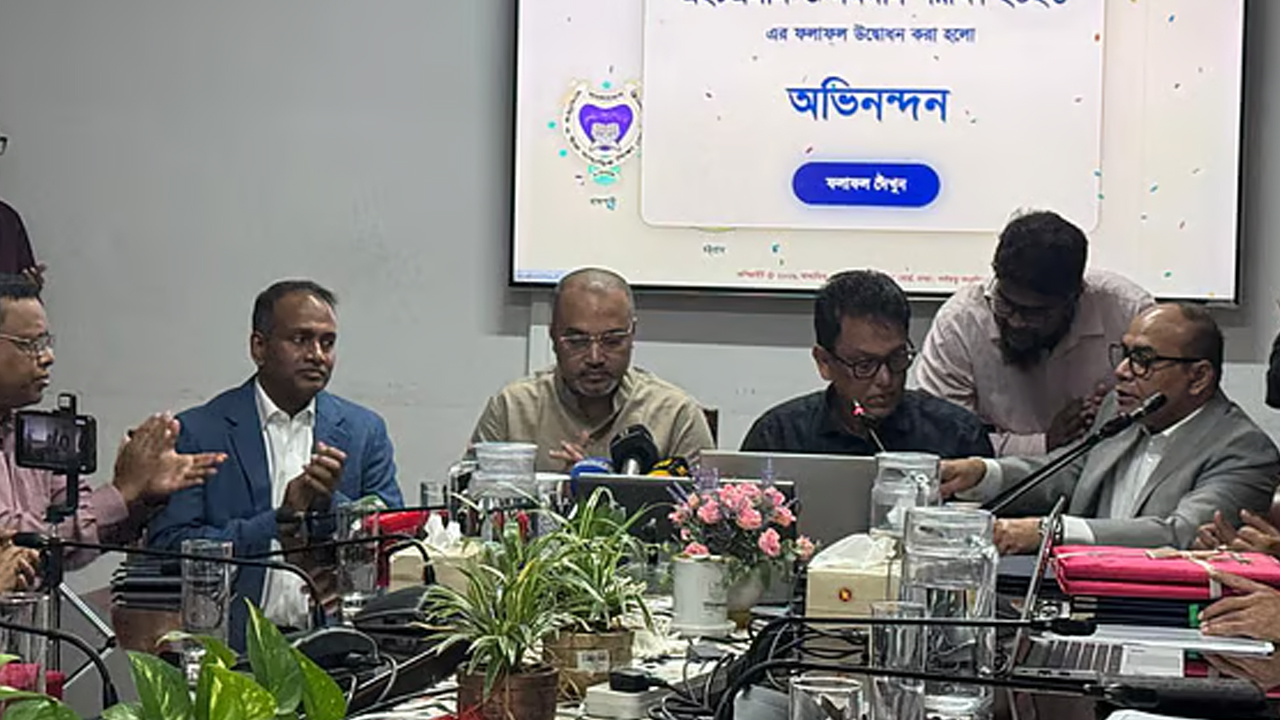
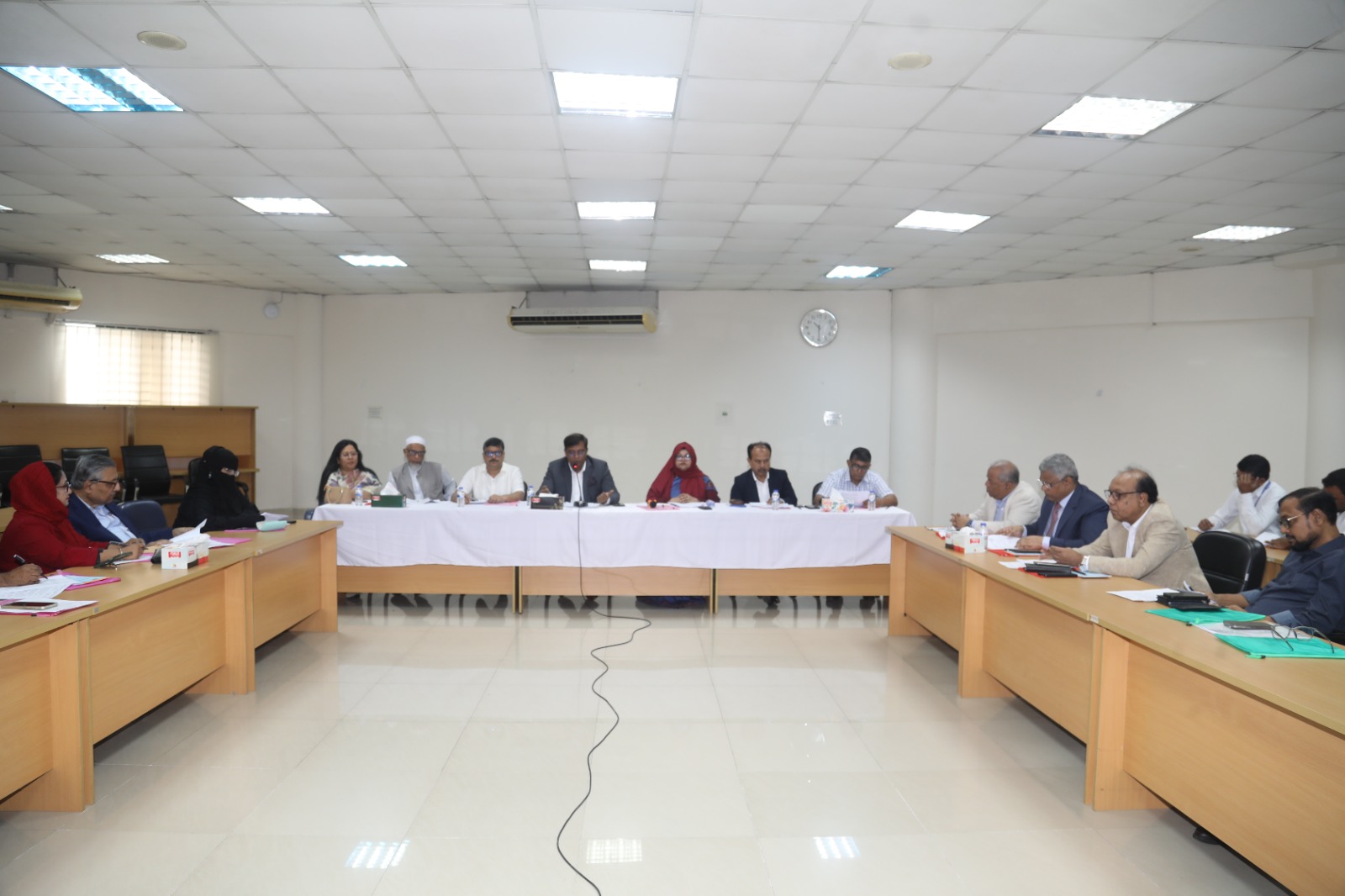
As part of the process of finalizing the draft policy, the commission organized a stakeholder dialogue with vice-chancellors and nominated representatives from 18 public and private universities.
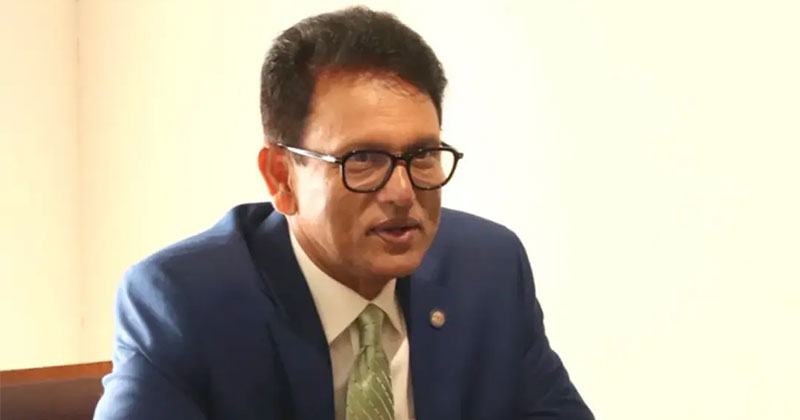
UGC Chairman Professor Dr Mamun Ahmed attended the inaugural session of the dialogue as the chief guest at the UGC building on Sunday (September 6).
In his speech, the UGC chairman said some universities in the country have been following policies to prevent plagiarism in education and research for years, while many others have no specific policy on the issue. Against this backdrop, the initiative has been taken to develop a common framework for all universities.
He said, “Universities may choose to follow this framework directly. Alternatively, based on this framework, they may formulate their own policies in line with their specific needs, institutional capacity and realities. In this regard, the academic freedom of universities will be maintained.”
Referring to workshops and seminars organized by the UGC before drafting the policy, Professor Dr Mamun Ahmed said opinions and recommendations gathered from those events, along with key suggestions raised during the dialogue with vice-chancellors and university representatives, would be incorporated into the draft. After necessary revisions and refinements, the policy will be placed before the commission’s full meeting for final approval and subsequently sent to all universities for implementation.
UGC Member Professor Dr Masuma Habib, who chaired the session, stressed the importance of ensuring ethical standards in education and research. She said plagiarism undermines the originality and quality of research while also putting the international credibility of Bangladesh’s higher education and research at risk.
She said at least 325 research papers involving Bangladeshi researchers were retracted from various internationally reputed journals between 2019 and 2026 for reasons including violations of research ethics. The situation, she added, has further highlighted the need to ensure ethics, integrity and accountability in research.
Noting that universities currently follow different policies and procedures to prevent plagiarism, Professor Masuma Habib said a common framework would make it easier to ensure research ethics, originality and international standards. It would also contribute significantly to improving the research environment at universities and building a research-oriented nation.
The stakeholder dialogue covered various aspects of the proposed policy, including its background and objectives, types and definitions of plagiarism, plagiarism detection, filing and investigation of complaints, determination of responsibility, resolution of complaints, disciplinary measures and appeal procedures.
Participants also recommended incorporating provisions on ethics, transparency and proper acknowledgment in the use of artificial intelligence (AI) in research and academic activities.
UGC Members Professor Md Mehedi Hasan Khan, Professor Dr Md Aslam Hossain and Professor Dr Niaz Ahmed Chowdhury attended the event as special guests.
UGC Secretary Dr Md Fakhrul Islam, Director of the Public University Management Department Mohammad Zaminur Rahman, Director of the SPQA Department Durga Rani Sarker and Director of the Private University Management Department Mosa. Jesmin Parvin, along with relevant UGC officials, were also present.
During the event, Deputy Director Mohammad Monir Ullah and Assistant Director Md Mostak Ahmed of the relevant UGC department presented various aspects of the draft anti-plagiarism policy and its proposed framework.