
 Staff Correspondent
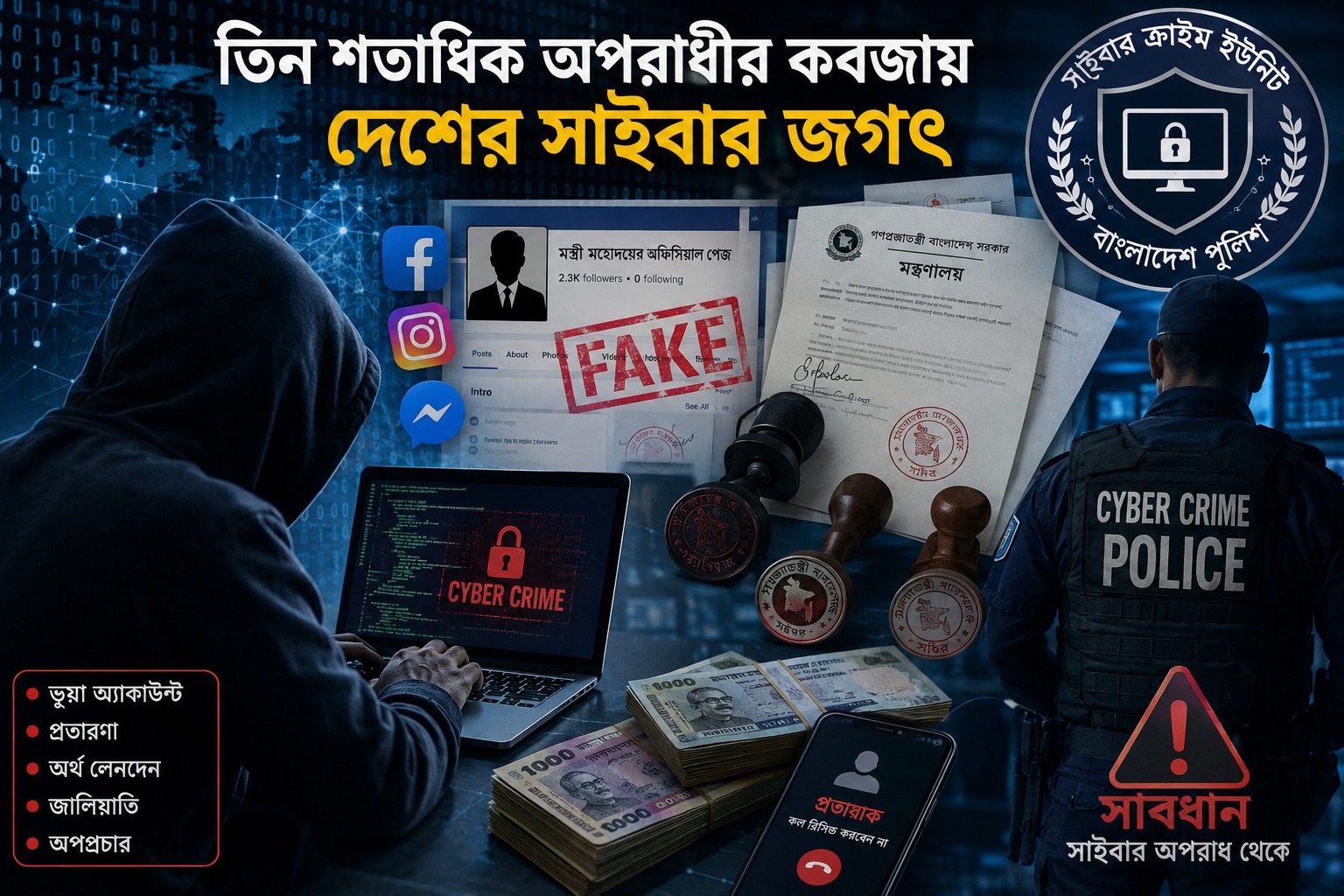
Cybercrime is steadily increasing in Bangladesh. According to intelligence sources, more than 300 senior-level members of various domestic and foreign criminal networks have been identified as being involved in cybercrime.
Many of them are also allegedly involved in money laundering. Recently, criminal groups have been using photographs and identities of senior government officials to operate fake Facebook accounts and pages and spread misleading information and content. They have even sent forged letters to government ministries, recommending preferential treatment for a fake company in the recruitment of Bangladeshi workers for overseas employment.
The groups allegedly forge and use seals, signatures and official letterheads of ministers, state ministers, members of parliament and senior government officials.
Police Headquarters sources said many of these cybercriminals are foreign nationals. They are allegedly making large sums of money through fraud on a regular basis. Authorities have urged the public to remain vigilant against such criminals.
The cybercrime units of Dhaka Metropolitan Police and other law enforcement agencies are working to identify the criminals and bring them to justice.
Police Headquarters has also urged the public to remain cautious about misinformation and propaganda targeting police officials and other important figures of the state.
Police said a group has recently been conducting a coordinated campaign on Facebook and other social media platforms, spreading false, fabricated, misleading, provocative and malicious information about senior police officials and important government figures.
The police have strongly condemned such activities and urged people not to believe, share or circulate misleading or provocative content posted on social media.
Online Fraud and Money Laundering
According to an intelligence official, cybercriminals are exploiting mobile financial services, internet banking and digital communication to commit various forms of cybercrime. These include online fraud, phishing, hacking websites to steal information, issuing threats, spreading defamatory information, cyberbullying and distributing pornographic content involving minors.
Sources from the DB Cyber and Special Crime Division said cybercriminals have recently targeted not only businesspeople but also senior government officials. Fake Facebook accounts and pages using photographs of important state figures are being used to spread misleading information and content.
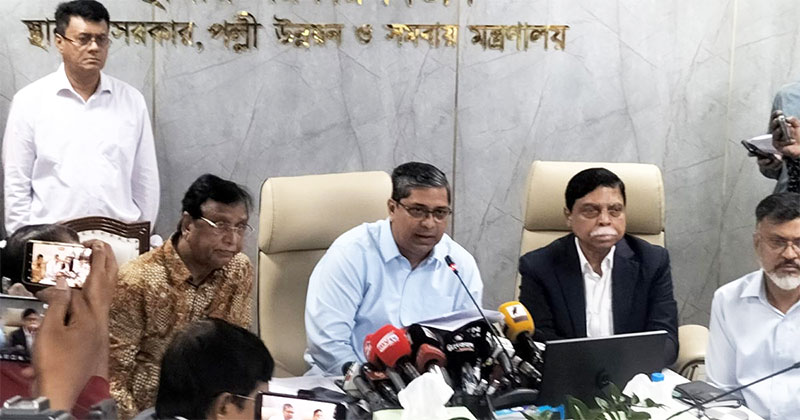
A recent ministry statement said several fake Facebook accounts and pages were being operated using the names, identities and photographs of ministers. Unauthorized statements and misleading content were being published through these accounts. The ministry urged everyone not to take seriously any content circulated through such fake accounts and pages.
A significant section of cybercriminals is also involved in online fraud. Investigation sources said large sums of money are allegedly transferred daily through mobile financial service accounts linked to gambling websites, with a portion of the money reportedly being laundered abroad through international criminal networks.
The Criminal Investigation Department (CID) and Detective Branch (DB), alongside Police Headquarters, have intensified investigations into cybercrime. However, difficulties in obtaining information, securing cooperation from international technology companies and overcoming technological limitations remain major challenges.
Inspector General of Police Ali Hossain Fakir said cybercrime, online gambling, phishing and the spread of rumors through social media have become major social challenges. He emphasized the need to improve law enforcement agencies’ technological expertise and develop skills in artificial intelligence and digital forensics.
Five Arrested for Forging Ministers’ Seals and Signatures
The DB Cyber and Special Crime Division said five members of a cybercrime network—Faruk Hossain, Sakib Khan, Masum Munshi, Mir Touhidul Islam and Md. Bokul Mondal—have been arrested for allegedly forging ministers’ seals and signatures.
Police seized eight mobile phones, two computers and a laptop allegedly used in cybercrime. They also recovered 41 forged seals bearing the names of ministers, state ministers, members of parliament and senior officials, along with six bundles of official letterheads belonging to MPs and ministry secretaries.
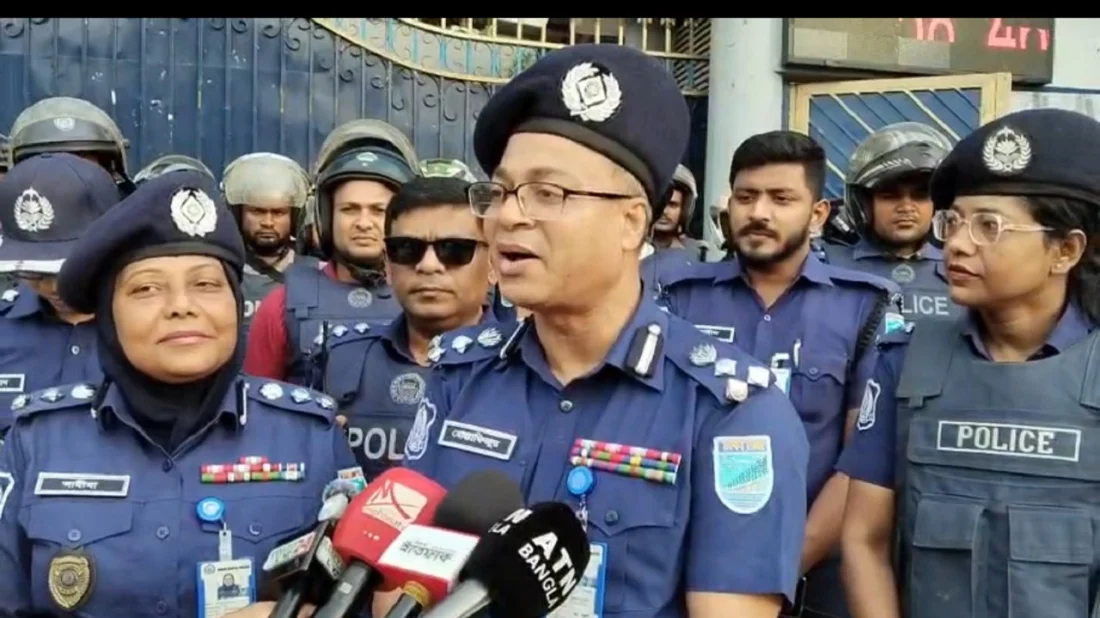
Additional Police Commissioner (Detective) of Dhaka Metropolitan Police Md. Shafiqul Islam said the arrested individuals were members of an organized cybercrime network. They allegedly created fake WhatsApp accounts using photographs of ministers and used them to commit various crimes.
Investigators also found that the group had been using the names and identities of ministers, state ministers, MPs, secretaries and senior government officials to create forged seals, signatures and official letterheads and defraud individuals and organizations.
Women and Young People Among Major Victims
Police investigations have found that women are among the major victims of cybercrime, with young women and teenage girls being particularly targeted.
According to police data from the past five years, thousands of cases have been filed under laws relating to information technology, pornography and digital crimes. However, the lack of adequate and specialized cybercrime units has made the investigation and disposal of many cases difficult.
The CID Cyber Police Centre is currently investigating hundreds of cases, general diaries and complaints. Phishing, fake online sales, social media fraud, investment scams, lottery and prize scams, and romance scams are also on the rise.
According to CID data, online fraud accounts for the largest share of cybercrime complaints. Online harassment and social media account hacking also constitute a significant portion.
Government Plans Separate Cyber Police Unit
On May 11, the government announced plans to establish a separate Cyber Police Unit to tackle the growing trend of digital crimes. The announcement came after Bangladesh Police submitted a proposal in this regard.
Home Minister Salahuddin Ahmed said the government would ensure that individuals involved in social media propaganda and cybercrime are identified through proper investigations and brought to justice with exemplary punishment.
Professor Dr. Umar Faruk of the Department of Criminology and Police Science at Tangail’s Maulana Bhashani Science and Technology University said law enforcement alone would not be enough to control cybercrime. He stressed the need to increase public awareness, strengthen digital security and ensure swift investigation and trial of cybercrime cases.
Courtesy: Kaler Kantho